
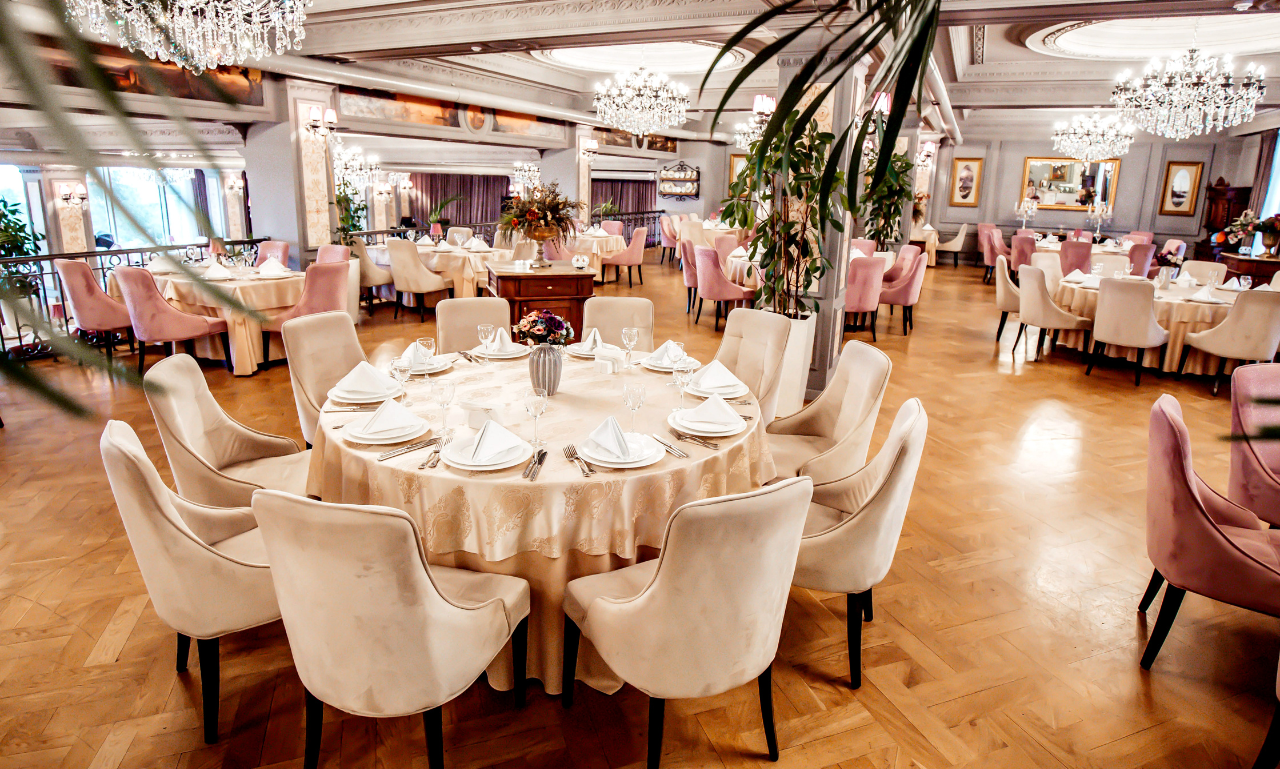
Corporate sustainability has shifted from a buzzword to a boardroom priority. Across India’s largest companies, ESG commitments now directly influence how events are planned, budgeted, and reported. In Mumbai — India’s corporate capital — the question is no longer whether your event should reflect sustainable principles, but how to do it practically without compromising on quality or guest experience.
This guide covers what sustainable corporate event planning actually means in Mumbai in 2026, which venues are making genuine progress on sustainability, and how Zundaa Events approaches green event execution.
Why Sustainable Corporate Events Matter in 2026
Indian companies are under increasing pressure from multiple directions to demonstrate environmental responsibility. SEBI’s BRSR (Business Responsibility and Sustainability Reporting) framework now requires large listed companies to report on environmental impact — and corporate events, which can generate significant waste, food surplus, and carbon through travel and logistics, are increasingly scrutinised.
For HR and admin teams organising corporate events, this creates practical requirements:
- Vendors and venues must be able to provide sustainability documentation
- Single-use plastic reduction is now a baseline expectation, not an advanced requirement
- Food waste management at large events is an increasing compliance and reputational concern
- Event carbon footprint reporting is beginning to appear in CSR narratives
The good news: Mumbai’s event industry has responded. Venues are investing in solar infrastructure, vendors are offering compostable alternatives, and caterers are developing sustainable menu options that actually improve food quality rather than compromise it.
What “Sustainable Corporate Event” Actually Means in Practice
Before diving into specifics, it is worth defining what sustainability means at the event level — because the term covers a wide range of actions with very different levels of impact.
High Impact (address these first)
- Food waste reduction: Large events generate enormous food surplus. Working with caterers who donate surplus to food banks (organisations like Feeding India and Robin Hood Army are active in Mumbai) dramatically reduces the actual environmental impact of a corporate event.
- Transport consolidation: Corporate event guests arriving individually account for the largest carbon component of most events. Coordinating shared transport, chartered coaches, or shuttle services from central points reduces emissions significantly.
- Venue energy source: Venues powered by solar or certified renewable energy sources reduce the event’s scope 2 emissions. Ask venues for their energy sourcing documentation.
Medium Impact
- Single-use plastic elimination: Replacing plastic bottles with glass, copper, or steel water stations; using compostable rather than plastic cutlery and plates; eliminating single-use plastic in delegate kits and giveaways.
- Digital materials: Replacing printed programmes, agendas, and brochures with QR-linked digital equivalents. A 500-person conference with digital collateral eliminates significant paper and printing waste.
- Local vendor sourcing: Sourcing décor florals, food ingredients, and supplies from local vendors reduces transport emissions and supports local ecosystems.
Lower Impact (but visible)
- Seed paper stationery and plantable gifts: Delegate gifts made from recycled or plantable seed paper are popular and visible sustainability signals, though their absolute environmental impact is relatively small.
- Carbon offset programmes: Some companies purchase verified carbon offset certificates for events. This is legitimate and increasingly common but should be applied after more direct reduction measures.
Mumbai’s Best Venues for Sustainable Corporate Events
JW Marriott Mumbai Juhu
Marriott’s Serve 360 sustainability programme commits to specific waste and energy reduction targets across its properties. JW Marriott Juhu has implemented food waste tracking, water recycling systems, and reduced single-use plastic across its event operations. For large corporate conferences (200–500 delegates), it is one of Mumbai’s most complete sustainability-committed venues.
ITC Hotels (ITC Maratha, Mumbai)
ITC Hotels are among India’s most sustainability-advanced hospitality brands. Their LEED Platinum-rated properties implement comprehensive waste management, water recycling, and renewable energy use. ITC Maratha’s corporate event capabilities are matched by documented environmental credentials — useful for companies requiring ESG reporting.
Hilton Mumbai International Airport
Hilton’s Travel with Purpose programme sets verifiable commitments on waste, energy, and social impact. For corporate events where airport proximity reduces delegate travel burden (for fly-in conferences), the environmental and practical benefits combine.
St. Regis Mumbai
The St. Regis participates in Marriott International’s broader sustainability initiatives and has eliminated single-use plastics across food and beverage operations. Its contemporary spaces and documented sustainability practices make it a strong choice for premium sustainable corporate events.
Sustainable Catering for Corporate Events in Mumbai
Food and beverage is the category where sustainability improvements are most visible — and most impactful.
Seasonal and local menus: Work with caterers who source produce seasonally and from local or regional farms. Mumbai’s proximity to the Western Ghats provides access to excellent local produce. Seasonal menus also typically deliver better food quality than out-of-season imports.
Plant-forward options: Increasing the proportion of plant-based options at corporate events reduces the event’s food carbon footprint. This does not mean eliminating non-vegetarian items — it means ensuring plant-based options are of equal quality and variety, which is entirely achievable in Indian catering culture.
Portion management: Work with your caterer on accurate guest count forecasting and buffet portion planning to reduce surplus. Experienced corporate caterers use consumption data from similar events to calibrate portions accurately.
Surplus donation protocols: Establish in advance that surplus food will be donated. Organisations like Feeding India, Robin Hood Army, and No Food Waste Foundation operate in Mumbai and can collect post-event surplus same-day. This requires advance coordination but is logistically straightforward.
Sustainable Décor for Corporate Events
Corporate event décor has moved significantly toward reusability and natural materials over the past three years.
Potted plant arrangements over cut florals: Potted plants can be donated to local schools, NGOs, or community organisations post-event. They also maintain visual quality throughout a multi-day event better than cut arrangements.
Rental over purchase: For table arrangements, backdrop structures, and furniture, rental eliminates post-event waste entirely. Mumbai has an established corporate event rental market covering everything from furniture to AV equipment.
Biodegradable signage: Printed backdrops, signage, and banners can be produced on recycled paper or biodegradable substrates with the same print quality as standard materials.
Measuring and Reporting Your Event’s Sustainability
For companies that need to include event sustainability in their BRSR or CSR reporting, here is what to document:
- Total waste generated and how it was disposed (landfill, recycled, composted, donated)
- Food surplus quantity donated and to which organisation
- Water consumption (available from venue)
- Energy consumption and source (available from certified venues)
- Transport: number of attendees, estimated km travelled, modal split
- Single-use plastic eliminated (items and weight)
Not every event requires this level of documentation, but having the framework in place makes reporting straightforward when it is needed.
Zundaa Events: Sustainable Corporate Event Planning in Mumbai
Zundaa Events plans corporate events across Mumbai, Goa, and Rajasthan with an increasing number of clients requesting documented sustainable event practices. Our approach integrates sustainability at every planning stage — venue selection, catering brief, décor specification, transport planning, and post-event waste management.
We provide sustainability planning documentation for clients who need it for BRSR or CSR reporting, and we work with Mumbai’s verified sustainable venue and vendor network rather than making claims that cannot be substantiated.
[Plan your sustainable corporate event with us →]
Share your event requirements — date, guest count, format, and sustainability priorities — and we will build a proposal that delivers both the event experience and the environmental credentials your company needs.
Zundaa Events is a corporate event management company based in Mumbai with operations across Goa, Rajasthan, and Hyderabad. We plan conferences, offsites, product launches, award ceremonies, and team-building events.